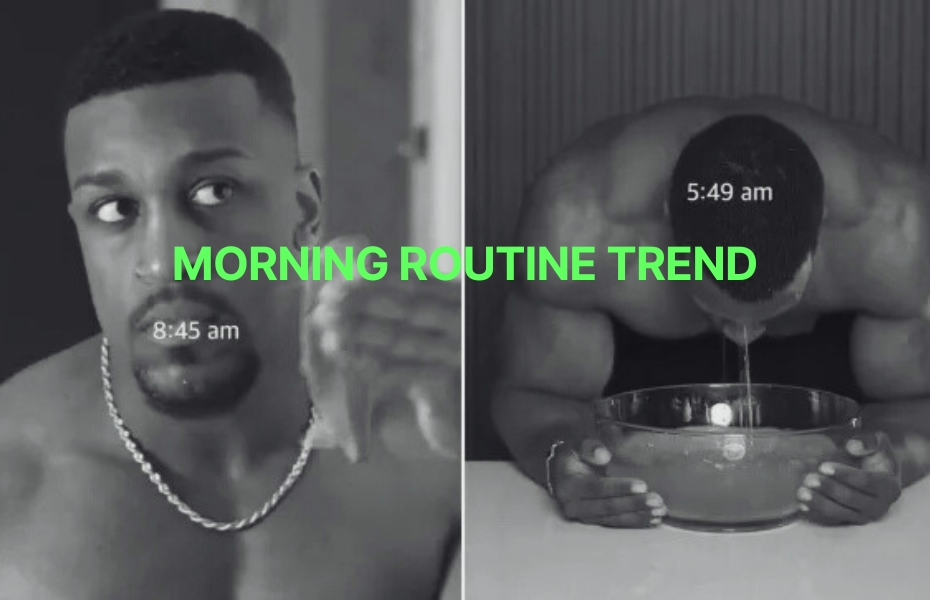
Over the past few days, Saratoga Water has gone insanely viral—not because of their marketing efforts, but because of a fitness influencer who unintentionally put them in the spotlight. In an over-the-top morning routine video, the influencer casually included Saratoga’s bottled water as part of their ultra-luxurious, high-effort lifestyle. Instead of inspiring admiration, the clip became internet comedy gold. The sheer excessiveness sparked massive online discussion, parodies, and memes.
Yet despite all this free publicity, Saratoga Water’s official social media accounts have been… silent. No engagement. No witty responses. No clever content capitalizing on the trend.
A brand just got handed a viral moment on a silver platter—and they let it slip away.
Why This Was a Golden Opportunity
Viral moments like this don’t happen often. When they do, smart brands jump in, engage, and turn fleeting attention into long-term awareness. Saratoga had a rare shot at injecting personality into their brand and reaching an entirely new audience, but they fumbled the play.
Here’s what they could have done:
- Jumped into meme culture with a self-aware post acknowledging the viral moment
- Created a playful response video—maybe an exaggerated “proper” way to drink Saratoga Water
- Engaged with influencers and commenters who were already talking about them
- Pinned, reshared, and added commentary to the funniest UGC (user-generated content)
Social Media Isn’t One-Size-Fits-All
Too many brands either treat social media as an afterthought or post the same content across every platform. But each channel has its own language, audience, and expectations. Success isn’t about just being present—it’s about knowing how to show up in the right way.
Here’s what brands need to understand:
✅ TikTok & Reels (Short-Form Video) → Viral trends move fast. A brand needs someone agile who can react, create, and engage in real-time.
✅ Instagram (Visual & Brand Identity) → A blend of polished branding and raw, behind-the-scenes moments creates authenticity. Too much perfection feels corporate; too much chaos feels off-brand.
✅ Twitter/X (Community & Commentary) → The best brands use Twitter not just to post but to interact—dropping humor, inserting themselves into trending conversations, and making their presence felt.
✅ LinkedIn (Thought Leadership & Industry Authority) → Less about memes, more about storytelling, company culture, and brand vision. Smart brands use it to show their personality in a professional space.
✅ Facebook (Ads & Community Engagement) → Mostly for paid campaigns and existing customer interaction. Less about viral moments, more about fostering loyalty.
The Fix? Let Digital-Native Creators Run Socials
Social media isn’t just another marketing channel—it’s a cultural ecosystem. And yet, too many brands still treat it as a secondary task, assigning it to teams that don’t live and breathe these platforms. That’s why so many brands fail to capitalize on organic viral moments while others—like Duolingo, Wendy’s, and Ryanair—thrive.
The difference? These brands have young, internet-savvy teams running their accounts. People who understand timing, humor, and engagement. People who don’t need to ask, “Should we respond to this?” because they instinctively know the answer.
The Bottom Line
Saratoga Water just missed out on what could have been their biggest marketing win of the year—all because they weren’t paying attention.
If you’re a big brand, here’s the reality: You can either put your social media in the hands of people who get it, or you can keep watching golden opportunities pass you by.