American Eagle’s Sydney Sweeney Campaign Isn’t Just Sexy — It may be a cultural reset in advertising…
In an era where many brands are struggling to find their footing between social relevance and sales performance, American Eagle just threw down the gauntlet — and they did it with denim, muscle cars, and Sydney Sweeney.
Their new campaign, cheekily titled “Sydney Sweeney Has Great Jeans,” is more than just a pun. It’s a full-on return to basics: sex appeal, charisma, simplicity — the kind of emotional marketing that once dominated magazines, billboards, and TV screens before giving way to politics, activism, and identity-based storytelling.
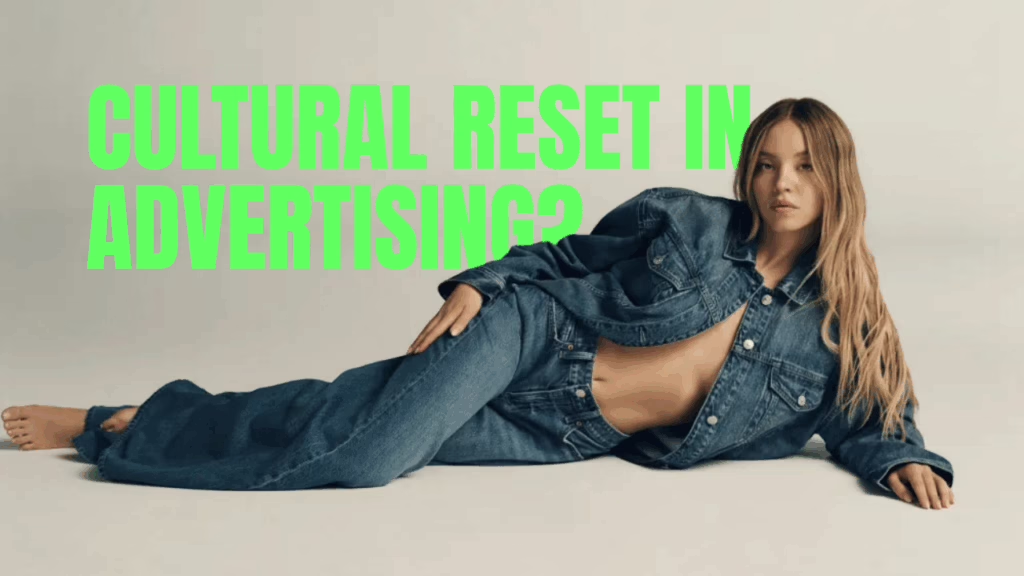
The campaign features Sweeney — Hollywood’s ultimate Gen Z bombshell — clad in denim-on-denim, posing with vintage muscle cars, exuding effortless cool. It’s playful, it’s sensual, and it’s extremely deliberate. The tagline winks at the audience while keeping things light. And just like that, American Eagle went from a struggling mall brand to the center of the cultural conversation.
📈 The Stock Market Reacts — Fast
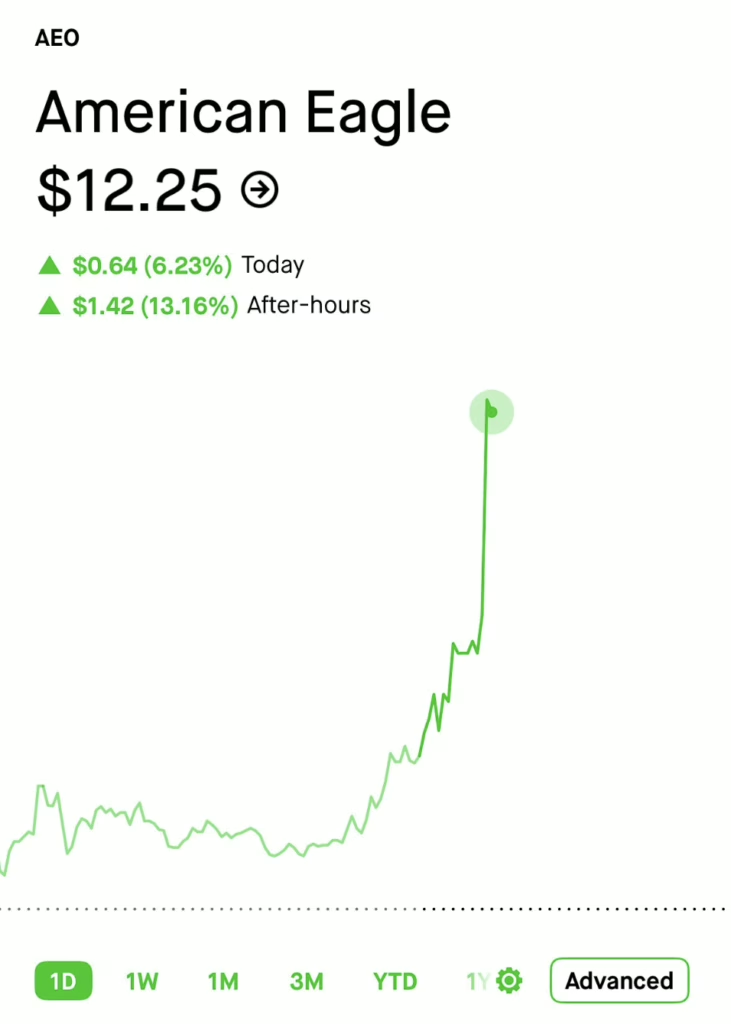
As soon as the campaign launched in July 2025, American Eagle’s stock (\$AEO) took off. Shares spiked over 10% intraday, sparked massive buzz on social media, and earned “meme stock” status on Reddit’s r/WallStreetBets. The fact that \~12% of the stock had been sold short only amplified the reaction — a classic short squeeze fueled by cultural virality.
Retail investors didn’t just buy into the stock. They bought into the moment. The same way they rallied around GameStop or AMC, they rallied around the vibe American Eagle was creating: bold, beautiful, unapologetically nostalgic.
But the surge wasn’t just hype. It reflected a deeper truth: brands that entertain and engage are still worth betting on — even in a messy economy.
🎯 Why This Campaign Worked
1. The Perfect Star: Sydney Sweeney
Sweeney isn’t just another influencer. She’s a generational symbol — glamorous but grounded, pin-up but playful. She’s starred in everything from HBO’s *Euphoria* to Ford commercials, and she’s as comfortable on TikTok as she is on a red carpet. She brings range, reach, and relatability.
Her appeal bridges multiple audiences — men, women, Gen Z, millennials, even boomers who remember the last time jeans ads looked like this. She’s hot. But more importantly, she’s *authentic*. That’s marketing gold.
2. It’s Emotionally Clear
There’s no confusion here. No moral ambiguity. No attempt to align the brand with global movements or political moments. Just beautiful visuals, aspirational energy, and a timeless emotional pull: I want to be that person, in those jeans.
It’s not just a campaign. It’s a mood.
3. It Cut Through the Noise
Let’s be honest — advertising today is cluttered. Between preachy messaging, algorithm-chasing content, and brands trying to be your therapist, most marketing feels… tired.
American Eagle zigged where everyone else zagged. They brought back the kind of confidence that used to define brands like Calvin Klein, Guess, and Diesel. Provocative, not pandering. Stylish, not sermonizing. Sexy, not self-important.
And in doing so, they stood out immediately.
🧠 The Bigger Picture: The Death of “Woke” Branding?
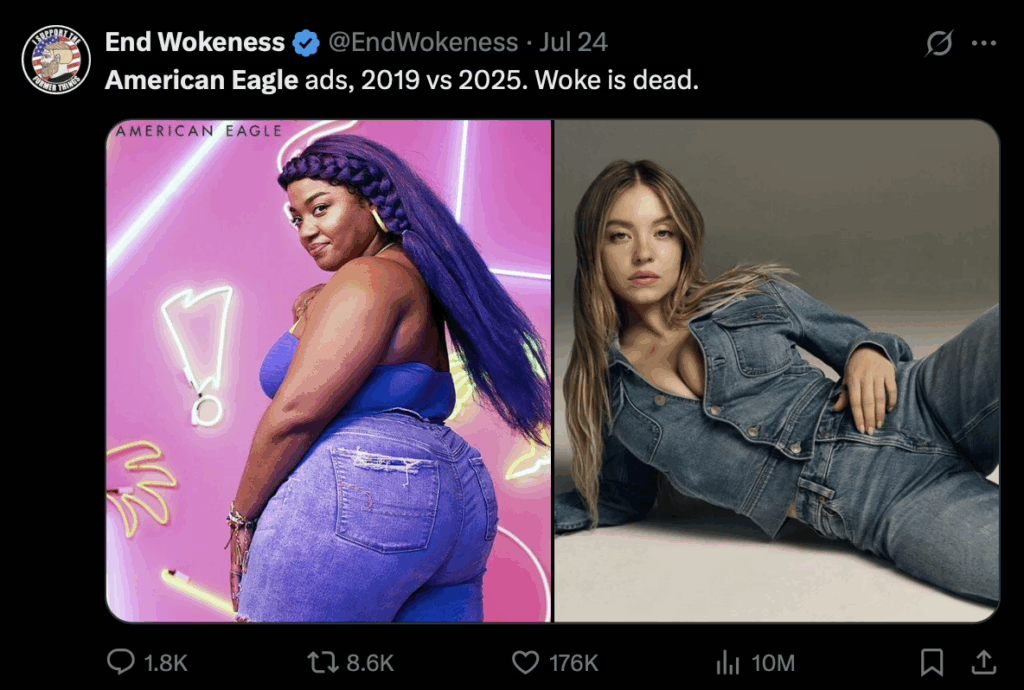
Over the past few years, major brands have wrapped themselves in flags, causes, hashtags, and campaigns aimed at moral positioning. Some of it was genuine. Some of it performative. All of it was a response to cultural pressure — but not always consumer demand.
That’s starting to shift.
Consumers are exhausted. They don’t want every brand to be a political player. They want them to be cool again. Entertain. Delight. Inspire. Surprise.
American Eagle’s campaign doesn’t *reject* values — it just chooses different ones: beauty, confidence, fun, fantasy. It doesn’t ask for your virtue. It asks for your attention.
This is the beginning of what you might call the post-woke era of branding. Not anti-woke. Not regressive. But post-politics. Post-positioning. Post-corporate guilt. A re-embrace of what advertising was always good at: making things desirable.
🧩 Cultural Context: It’s Happening Elsewhere Too
American Eagle isn’t alone. Across industries, we’re seeing this pivot:
- Victoria’s Secret reversed its activist rebrand, returning to bombshell aesthetics and familiar models after revenue fell.
- Nike, long known for edgy political ads, just ran a tender fatherhood campaign with Scottie Scheffler — quiet, sentimental, wholesome.
- Miller Lite, after backlash over its feminist-heavy campaign, rolled back messaging in favor of traditional “good times with the boys” storytelling.
- Loewe, Balenciaga, and other fashion houses have leaned back into sensuality, human connection, and classic beauty in recent collections and campaigns.
The tide is turning. Not because activism is over — but because audiences are craving escape, humor, and hope again. The pendulum always swings back. And we’re mid-swing now.
💡 What This Means for Brands Going Forward
1. Emotion over ideology: Don’t preach — connect.
2. Simplicity scales: Visual storytelling and emotional clarity beat 10-slide manifestos.
3. Sex appeal works — when done with intention: Playful, confident sensuality is timeless, and it doesn’t have to be male-gaze driven or exploitative.
4. Nostalgia sells: When the future feels uncertain, brands that channel the familiar — in fresh ways — win.
5. Culture drives commerce: Campaigns that create talk create value.
🧵 Final Thoughts: The New Old-School
American Eagle didn’t just launch a campaign. They reminded the industry how to do this. How to tap into emotional electricity. How to entertain. How to *sell* without apologizing for it.
With one smirk, one pun, and one great pair of jeans, they announced that the era of anxious, over-explained branding might be ending.
And they did it with the most classic formula in the book: cool car, hot girl, great jeans.
It turns out, what works… still works.
And for a generation that’s grown up on chaos, that kind of clarity?
It’s irresistible.